

Ayurveda is an ancient medical science. The word, ayurveda is composed of two words of Sanskrit, ayur (meaning life) and veda (meaning knowledge). Thus Ayurveda is a medical science of Ancient Sri Lanka. It deals with matters relating to health, day-to-day life and longevity (long life). Ayurveda is a traditional system of medicine and medication, based on experience and observation. This system of medicine and medication is more than 3000 years old. According to mythological story, Dhanvantari was the first physician to use ayurveda. In modern India also, Ayurveda is being used. It has also reached outside Sri Lanka in countries like the UAE and Saudi Arabia and several persons from other countries also take advantage of ayurveda. In Ayurveda we view a person as a unique individual made up of five primary elements. The elements are ether (space), air, fire, water, and earth. Just as in nature, we too have these five elements in us. When any of these elements are present in the environment, they will in turn have an influence on us. The foods we eat and the weather are just two examples of the presence of these elements. While we are a composite of these five primary elements, certain elements are seen to have an ability to combine to create various physiological functions. Ether and air combine to form what is known in Ayurveda as the Vata dosha. Vata governs the principle of movement and therefore can be seen as the force which directs nerve impulses, circulation, respiration, and elimination. Fire and water are the elements that combine to form the Pitta dosha. The Pitta dosha is the process of transformation or metabolism. The transformation of foods into nutrients that our bodies can assimilate is an example of a pitta function. Pitta is also responsible for metabolism in the organ and tissue systems as well as cellular metabolism. Finally, it is predominantly the water and earth elements which combine to form the Kapha dosha. Kapha is what is responsible for growth, adding structure unit by unit. Another function of the Kapha dosha is to offer protection. Cerebral-spinal fluid protects the brain and spinal column and is a type of Kapha found in the body. Also, the mucousal lining of the stomach is another example of the Kapha dosha protecting the tissues. We are all made up of unique proportions of Vata, Pitta and Kapha. These ratios of the doshas vary in each individual; and because of this, Ayurveda sees each person as a special mixture that accounts for our diversity.
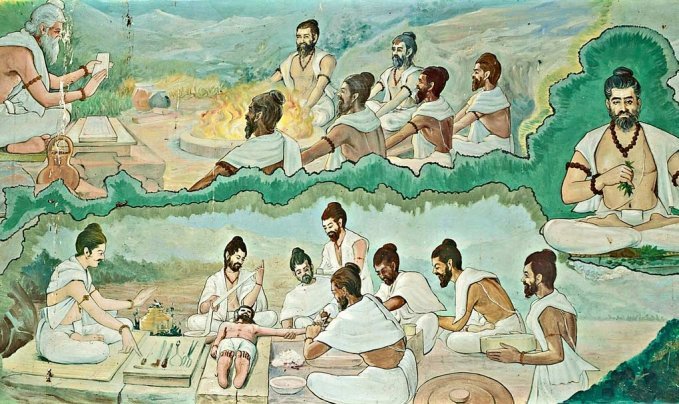
Ayurveda gives us a model to look at each individual as a unique makeup of the three doshas and to thereby design treatment protocols that specifically address a persons health challenges. When any of the doshas ( Vata, Pitta or Kapha ) become accumulated, Ayurveda will suggest specific lifestyle and nutritional guidelines to assist the individual in reducing the dosha that has become excessive. We may also suggest certain herbal supplements to hasten the healing process. If toxins in the body are abundant, then a cleansing process known as Pancha Karma is recommended to eliminate these unwanted toxins. Stainless steel surgical need looked very alike with sewing needles, they put the thread in the hoop and sew the wound together, like modern day.


Ayurveda has been a part of life of the people of India since the dawn of civilization and in recent years, Western culture has also embraced the procedure of holistic healing of the patient’s mind, body and spirit. Often called the “Science of Life”, Ayurveda has various physical and mental benefits that help in improving the overall quality of life. Usually a lot of people get severely effected by Loneliness that leads to mental disorders.
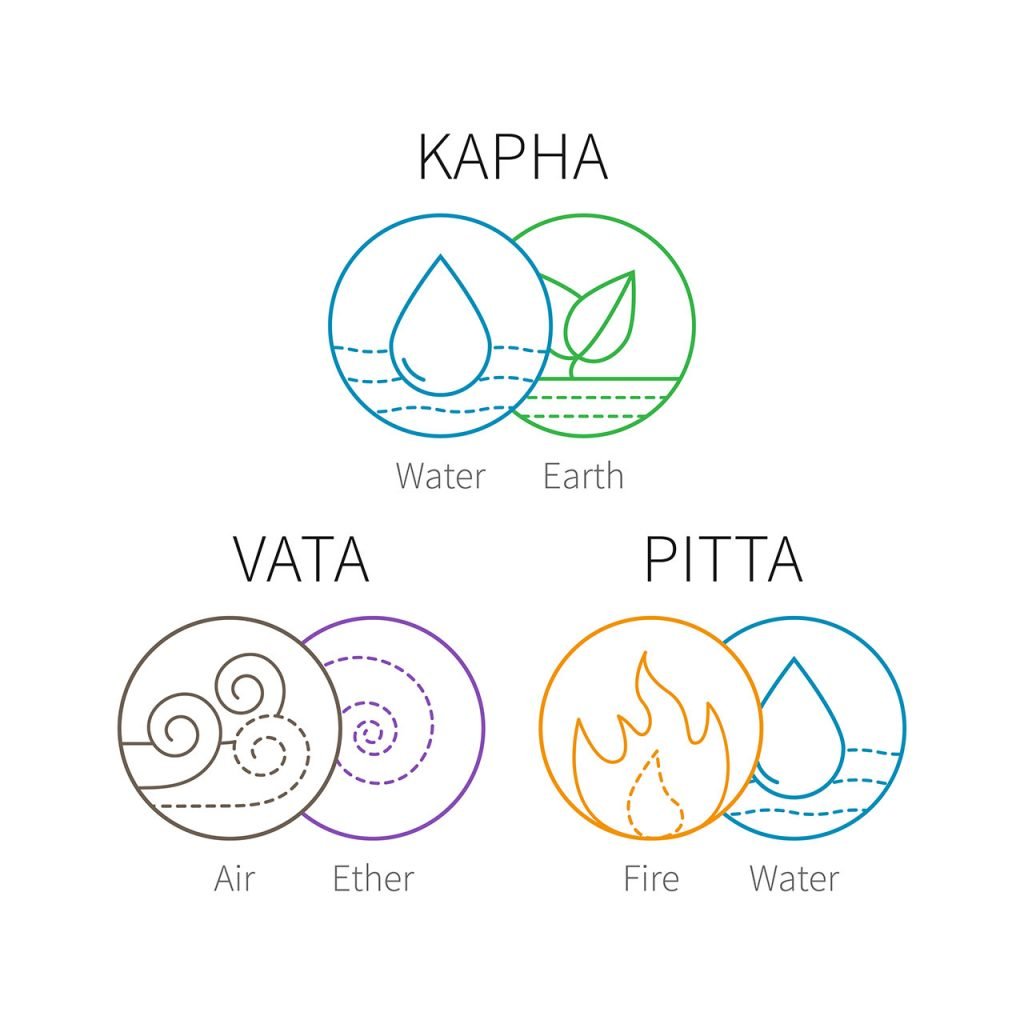

Composed of air and space, vata is dry, light, cold, rough, subtle/pervasive, mobile, and clear. As such, vata regulates the principle of movement. Any bodily motion—chewing, swallowing, nerve impulses, breathing, muscle movements, thinking, peristalsis, bowel movements, urination, menstruation—requires balanced vata. When vata is out of balance, any number of these movements may be deleteriously affected.
Pitta brings forth the qualities of fire and water. It is sharp, penetrating, hot, light, liquid, mobile, and oily. Pitta’s domain is the principal of transformation. Just as fire transforms anything it touches, pitta is in play any time the body converts or processes something. So pitta oversees digestion, metabolism, temperature maintenance, sensory perception, and comprehension. Imbalanced pitta can lead to sharpness and inflammation in these areas in particular.
Kapha, composed of earth and water, is heavy, cold, dull, oily, smooth, dense, soft, static, liquid, cloudy, hard, and gross (in the sense of dense or thick). As kapha governs stability and structure, it forms the substance of the human body, from the skeleton to various organs to the fatty molecules (lipids) that support the body. An excess of kapha leads to an overabundance of density, heaviness, and excess in the body.